What waterjet cutting is best for
- Thick steel, stainless, and aluminum plate, up to 6 inches
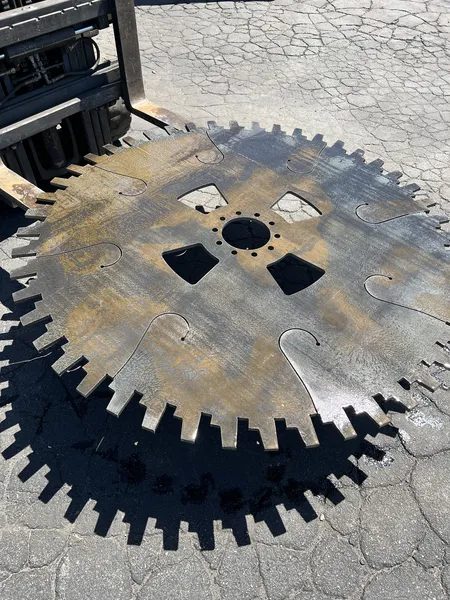
- Parts that cannot take heat: hardened steel, tool steel, AR plate, and Hardox keep their temper
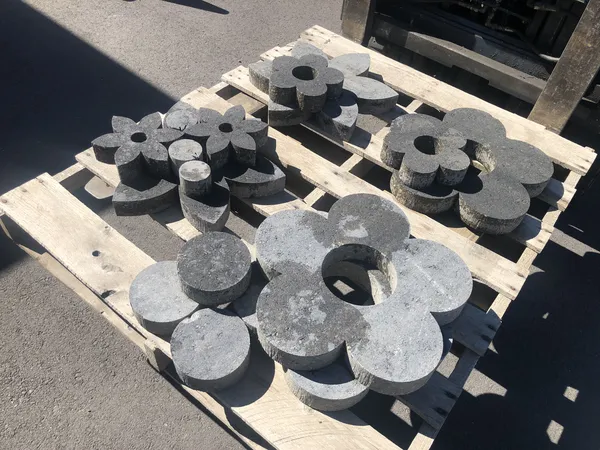
- Non-metals: stone, tile, glass (not tempered), rubber, foam, plastic, and composites
- Copper, brass, titanium, Inconel, and other specialty alloys
- Large parts and full sheets up to 72 × 144 inches
- One-off parts, rush jobs, prototypes, and small production runs
How abrasive waterjet cutting works
A waterjet pushes water through a tiny orifice at very high pressure. In abrasive waterjet cutting, garnet is mixed into that stream, which gives it the power to cut hardened steel, thick aluminum, granite, composites, and ceramic. The CNC table follows the path from your file, so complex outlines, inside cutouts, and nested parts are all practical.
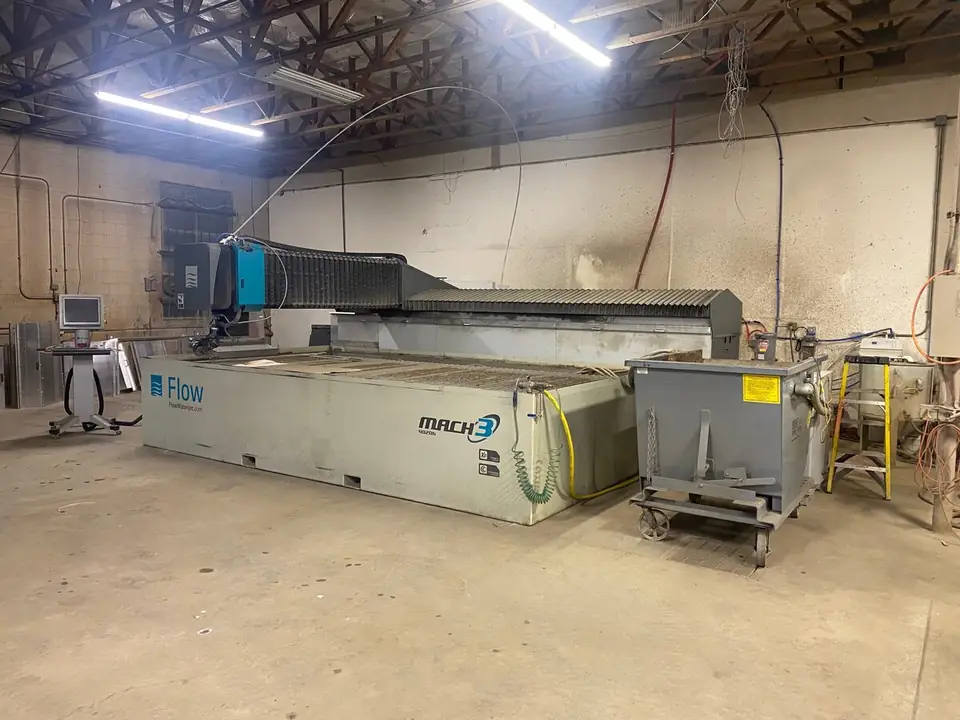
We have run a waterjet since 2002. Customers come to us for everything from a single replacement bracket to hundreds of repeat parts.
Cold cutting, no heat-affected zone
Laser and plasma cut with heat, which can harden edges, change temper, and warp thin or long parts. Waterjet cutting adds no heat to the material. Edges come off clean, the material keeps its original properties, and many parts need little or no secondary grinding.
That makes waterjet the right call for heat-treated steel, parts that will be welded or machined afterward, and materials that would crack or melt under a torch.
Thick material and large parts
The Flow table takes sheets and plate up to 72 by 144 inches and cuts material up to 6 inches thick. Thicker cuts run slower to keep the edge quality, so thickness is one of the biggest factors in price. If you are weighing a thinner material or a different process to save cost, ask and we will give you the options.
Tolerances and edge quality
CNC waterjet cutting handles most practical tolerance requirements for brackets, plates, fixtures, signs, and machine parts. If a part has critical features, mark them on the drawing. Very tight tolerance work gets an extra review before we quote, so you know up front what the process can hold.
Waterjet or fiber laser?
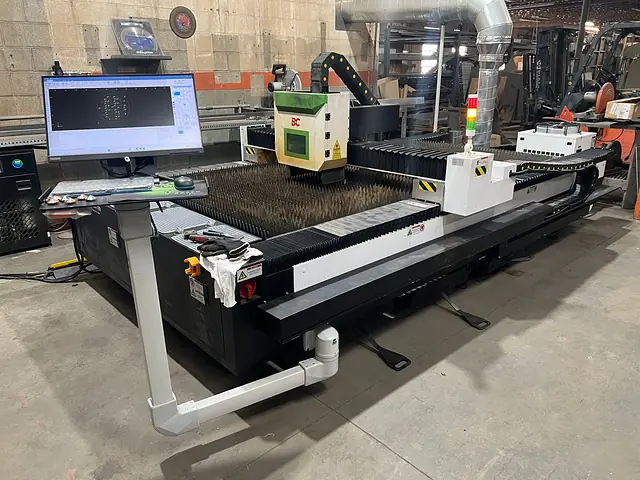
We run both, so we can pick the process that fits the part instead of forcing every job through one machine. Fiber laser is usually faster and cheaper for thin steel, stainless, and aluminum. Waterjet wins on thick plate, heat-sensitive parts, and anything that is not metal.